Ubiquiti Networking: Enterprise-Quality Wi-Fi for Homes & Businesses
Reliable internet is no longer a luxury; it is the backbone of how homes and businesses function every day. From video calls and cloud systems to smart home automation and point-of-sale platforms, today’s environments demand networks that stay fast, stable, and secure at all times. Unfortunately, many people still rely on consumer-grade routers that struggle with coverage, congestion, and growing device counts.
This is where enterprise-quality networking changes the game. Solutions built for performance, scalability, and control deliver a noticeably better experience, whether in a modern home, a busy office, or a multi-tenant property. Ubiquiti has become a leading choice in this space, offering professional-grade networking tools that bridge the gap between residential simplicity and commercial reliability.
With the right design and installation, enterprise Wi-Fi provides consistent coverage, seamless roaming, and stronger security, without unnecessary complexity for the end user. Instead of reacting to dropped connections and slow speeds, property owners can invest in a network that is built to grow, adapt, and perform long-term.
Key takeaway: Enterprise-quality networking creates a stable foundation for modern living and business operations, not just faster internet.
Quick to Know
Enterprise-quality Wi-Fi is designed to handle more devices, more usage, and more responsibility than standard consumer routers. Instead of one box trying to do everything, enterprise networks use multiple access points, managed switches, and a central controller to keep traffic balanced and reliable.
This approach delivers stronger coverage across large homes and commercial spaces, smoother roaming between rooms, and far better stability during peak usage. It also allows the network to grow over time without needing a full replacement.
For homes, this means consistent streaming, smart home reliability, and work-from-home performance. For businesses, it means uptime, security, and predictable network behaviour, even as staff, devices, or spaces change.
Enterprise networking is not about complexity for the user; it’s about smarter design behind the scenes.
Key takeaway: Enterprise Wi-Fi focuses on long-term reliability, coverage, and scalability, not just raw speed.
Key Benefits
Consistent coverage across large homes and commercial spaces
Stable performance even with many connected devices
Seamless roaming without dropped connections
Improved security with professional network controls
Scalable design that grows with your needs
Key takeaway: Enterprise-grade networking delivers reliability and flexibility that consumer Wi-Fi simply can’t match.
Q/A
What makes enterprise-quality Wi-Fi different from standard home or office routers?
The biggest difference is how the network is designed. Standard routers try to cover an entire space from one location, which often leads to weak signals, slow speeds, and dropped connections. Enterprise-quality Wi-Fi uses multiple access points placed strategically throughout the property, all working together as one system.
This setup allows traffic to be balanced more efficiently, devices to switch smoothly between access points, and performance to stay consistent even during heavy use. Security and monitoring are also more advanced, making it easier to manage access and spot issues before they affect users.
Key takeaway: Enterprise Wi-Fi is built as a system, not a single device, which results in better performance and reliability.
What Enterprise-Grade Networking Really Means
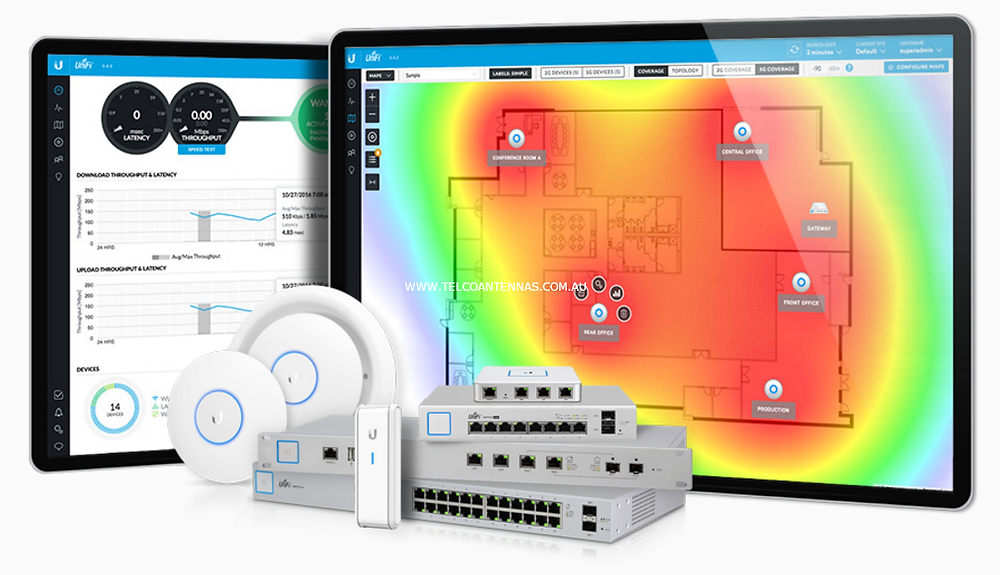
Enterprise networking is built around one simple idea: the network should adapt to the space and the users, not the other way around. Instead of relying on a single router, enterprise systems use a combination of access points, gateways, switches, and a central management platform to work as one coordinated system.
At the core of many modern installations is Ubiquiti, known for delivering professional-grade networking that works equally well in high-end homes and demanding commercial environments. Access points are placed strategically to ensure even coverage, while managed switches and gateways handle traffic efficiently and securely.
A key advantage of this approach is centralised control. Network settings, performance monitoring, and security rules are managed from one interface, allowing issues to be identified and resolved before users notice a problem. As device counts grow, smart TVs, phones, laptops, cameras, and automation systems- the network remains stable and responsive.
Because enterprise networking is modular, it scales easily. New rooms, floors, or users can be added without replacing the entire system. With professional design and installation, the technology stays mostly invisible, while performance stays consistently strong.
Key takeaway: Enterprise networking is a system-based approach that delivers stable, scalable, and well-managed connectivity across any environment.
Benefits Recap
System-based design tailored to the space, not a one-size router
Even Wi-Fi coverage through properly placed access points
Centralised management for monitoring and control
Easy scalability as spaces and device counts grow
Clean, professional installation that stays visually discreet
Key takeaway: A well-designed enterprise network delivers consistent performance today and flexibility for future expansion
How Enterprise Wi-Fi Performs in Homes and Businesses
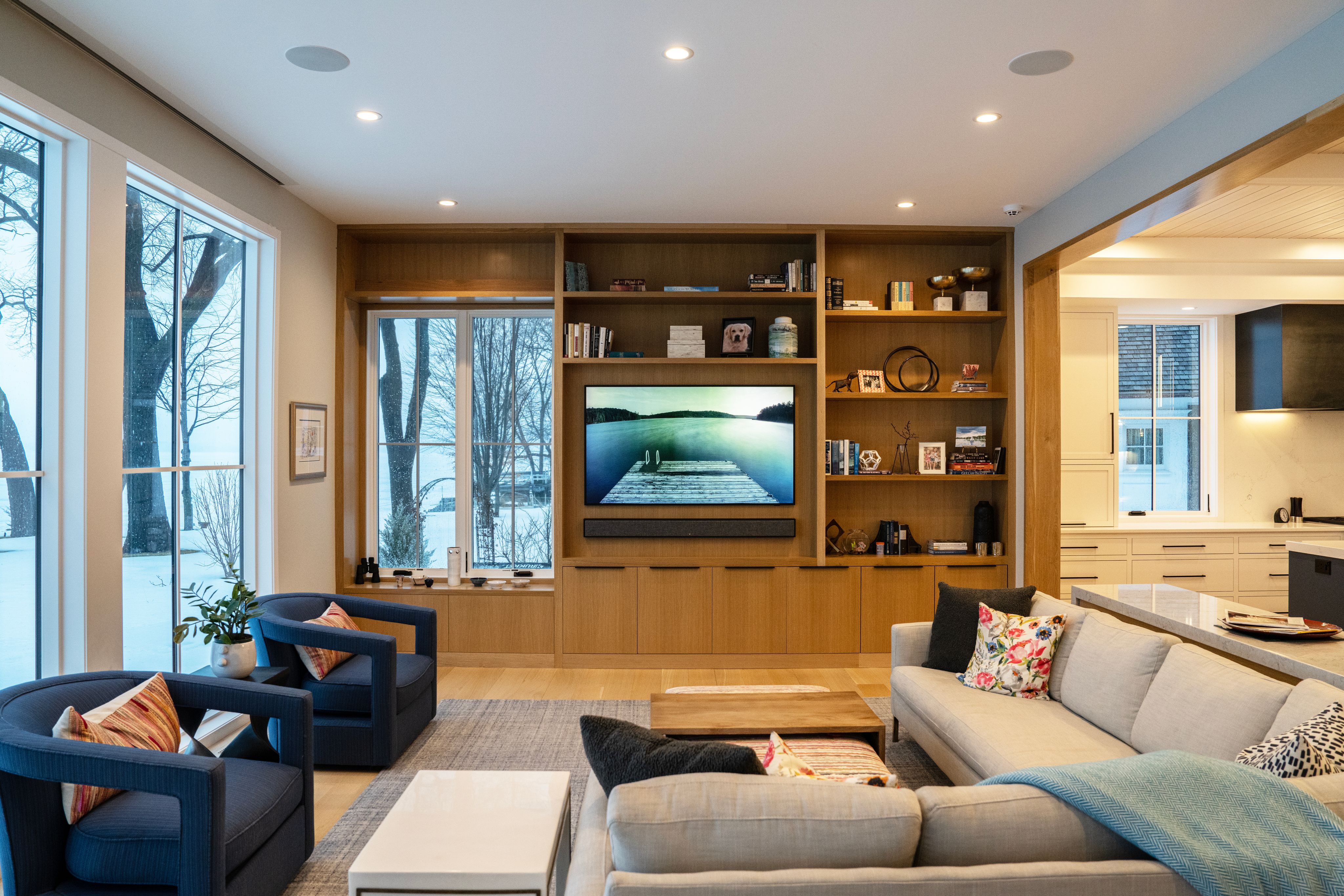
Enterprise-quality networking proves its value most clearly in real, everyday environments. In large homes and multi-story residences, Wi-Fi coverage often breaks down between floors, outdoor areas, and smart-home zones. A professionally designed enterprise network delivers even coverage throughout the property, allowing devices to move seamlessly without signal drops or speed loss.
In business settings, the benefits are even more critical. Offices and coworking spaces rely on stable connectivity for video calls, cloud platforms, and shared systems. Enterprise Wi-Fi keeps performance consistent during peak hours, even when many users are connected at once. Retail and hospitality environments benefit from reliable guest Wi-Fi alongside secure internal networks for staff and operations.
Mixed-use and multi-tenant properties face unique challenges, such as separating networks while maintaining centralised control. Enterprise networking makes it possible to manage multiple networks from one system, improving security and simplifying long-term maintenance.
Across all these use cases, the common thread is predictability. The network behaves the same way every day, regardless of how many devices connect or where users move within the space.
Key takeaway: Enterprise Wi-Fi adapts to real-world environments, delivering consistent performance in homes, businesses, and shared properties.
Q/A
Is enterprise-quality Wi-Fi suitable for both homes and commercial buildings?
Yes. Enterprise networking is not limited to offices or large corporations. The same principles that keep business networks stable, such as proper access point placement, traffic management, and security controls, also solve common problems in modern homes.
For homeowners, this means reliable streaming, smooth video calls, and smart home systems that work without interruption. For businesses, it means predictable performance, controlled access, and the ability to support growth without constant upgrades.
The difference is not the environment, but the design. When the network is planned correctly, enterprise-grade Wi-Fi delivers the right balance of performance and simplicity for both residential and commercial use.
Key takeaway: Enterprise Wi-Fi is flexible by design, making it an excellent fit for homes, businesses, and mixed-use spaces alike.
Performance, Security, and Scalability Behind Enterprise Wi-Fi
Behind smooth, reliable Wi-Fi is a carefully engineered network built for performance and protection. Enterprise-quality systems prioritize intelligent traffic handling, ensuring high-demand applications like video conferencing, cloud tools, and smart systems receive stable bandwidth without slowing everything else down.
Security is another major advantage. Enterprise networks support advanced features such as network segmentation, secure guest access, and centralised monitoring. This allows sensitive business systems or home automation devices to remain isolated, reducing risk while maintaining ease of use. With platforms like Ubiquiti, administrators can monitor performance, apply updates, and adjust settings from a single interface.
Scalability is built into the architecture. As more devices are added, new employees, smart devices, cameras, or access points, the network expands without needing a complete overhaul. Managed switches and gateways ensure the system grows in a controlled, predictable way.
This technical foundation is why professional design matters. Proper planning, configuration, and installation ensure the network delivers consistent results today while remaining flexible enough to support future demands.
Key takeaway: Enterprise networking combines performance, security, and scalability to support modern digital environments without constant upgrades or compromises.
Optimised traffic management for demanding applications
Advanced security controls through network segmentation
Centralised monitoring and updates from one interface
Scalable architecture that supports growth over time
Reliable performance without frequent hardware replacement
Key takeaway: A strong technical foundation ensures enterprise Wi-Fi remains secure, fast, and adaptable as needs evolve.
Why Professional Network Design and Support Matter
Even the best networking hardware cannot deliver strong results without proper planning and execution. Enterprise-quality Wi-Fi starts with professional network design, understanding how the space is used, where devices connect, and how data needs to flow. Site surveys and heat mapping help determine the right access point placement for clean, even coverage.
Professional installation ensures that hardware is mounted correctly, cabling is organised, and network components are configured for performance and security from day one. This approach avoids common issues such as interference, overloaded access points, and unmanaged traffic that often appear in DIY setups.
Long-term support is just as important. As homes and businesses evolve, networks must adapt. Ongoing monitoring, firmware updates, and performance tuning keep the system running smoothly and securely over time. When changes are needed, new rooms, new users, or new technology, the network can be adjusted without disruption.
By working with experienced professionals, property owners gain more than Wi-Fi. They gain a reliable digital foundation backed by expertise and accountability.
Key takeaway: Expert design, professional installation, and ongoing support are what turn enterprise networking into a long-term, dependable solution.
Q/A
Why should I choose professional network design instead of a DIY setup?
DIY networking often focuses on quick coverage rather than long-term performance. While it may work initially, problems usually appear as device counts increase or usage becomes more demanding. Professional network design takes the entire environment into account, layout, materials, usage patterns, and future growth.
A professionally designed enterprise network is built to be stable, secure, and easy to manage from the start. Issues such as interference, weak coverage zones, and security gaps are addressed during planning, not after problems arise.
The result is a network that simply works, day after day, without constant adjustments or troubleshooting.
Key takeaway: Professional design prevents common network issues and ensures reliable performance over the long term.
Enterprise-quality networking is designed for reliability, stability, and growth, not short-term convenience.
Using multiple access points instead of a single router delivers even coverage and seamless roaming.
Enterprise Wi-Fi handles high device counts and heavy usage without performance drops.
Centralised management allows for easier monitoring, updates, and troubleshooting.
Network segmentation improves security for both homes and businesses.
Scalable architecture means the network can expand without full replacement.
Real-world environments benefit from predictable, consistent performance every day.
Professional design ensures access points are placed correctly and systems are configured properly.
Clean installation keeps technology reliable and visually discreet.
Long-term support maintains performance as needs and technology evolve.
Key takeaway: A professionally designed enterprise network provides a stable, secure, and scalable foundation that supports modern homes and businesses well into the future.
If you are experiencing slow speeds, dropped connections, or inconsistent Wi-Fi coverage, it may be time to move beyond consumer networking. Enterprise-quality Wi-Fi delivers the stability, performance, and security that modern homes and businesses depend on every day.
Our team specialises in designing and installing professional Ubiquiti networking solutions tailored to your space, usage needs, and future growth. From initial assessment to long-term support, we ensure your network is built to perform reliably and scale with confidence.
Contact us today to schedule a professional network consultation and discover how enterprise-grade Wi-Fi can transform connectivity across your home or business.